A name that opens more than one door
Claire Comey has a fragmented public tale, but it still makes sense. The University of Richmond-educated lawyer and writer works in domestic abuse and family law in Washington, D.C. She is member of one of the most prominent political families in recent American history, hence her name typically carries multiple identities.
That’s my initial impression of her. Claire Comey is not self-promotional. Courthouse glass illuminates her quietly. She receives it through her efforts and the Comey family name.
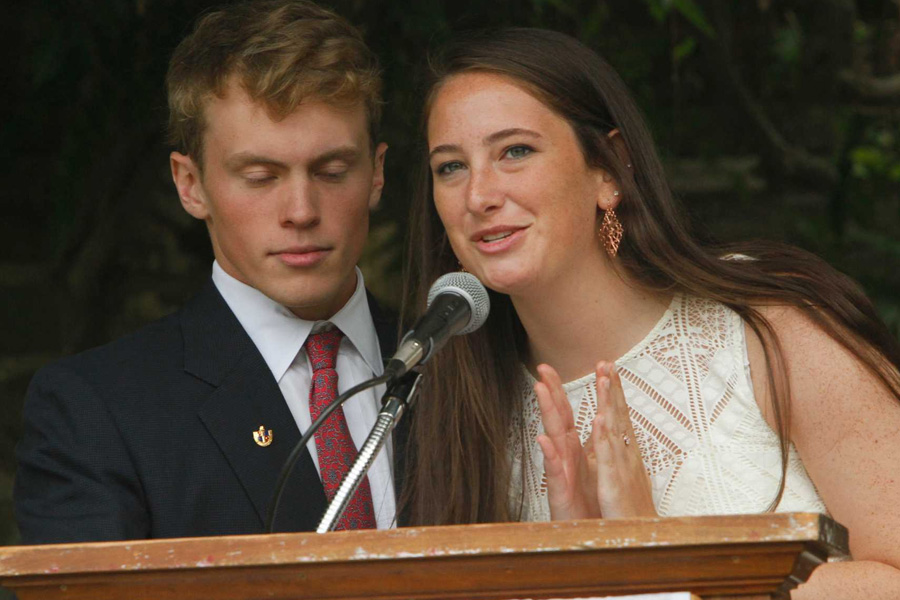
She goes from school leadership to law, lobbying, and public interest. She was a responsible high school student council chair at Greens Farms Academy and won a citizenship award in 2015. She was editor-in-chief of The Collegian at Richmond University in 2017. The combo speaks volumes to me. It implies self-confidence, discipline, and going toward the center when a room requires guidance.
Education, writing, and the making of a professional identity
Claire Comey’s education reads like a carefully laid bridge. She earned her undergraduate degree from the University of Richmond, then continued into graduate study at Washington University in St. Louis, where she pursued law and social work. That pairing matters. It shows a mind that does not treat legal systems as abstract machinery alone. She appears to care about how law touches people in real life, especially people in vulnerable situations.
Her college years were not only academic. She was active as a writer and student leader, and that mattered because it gave her a public voice before she entered the legal field. Student journalism can be a proving ground. It sharpens judgment. It teaches pressure. It requires a person to stand inside a deadline and still tell the truth cleanly. Claire seems to have taken that lesson with her.
Later, she co wrote a law and social policy article on race, merit, and admissions, showing that her interests were not limited to one narrow lane. Her work seems to move across legal doctrine, civil rights, and social justice with a steady hand. That breadth gives her profile depth. She is not just a name attached to a family tree. She is a professional with a public intellectual trail.
Career details and work in public interest law
Claire Comey’s career has a clear center of gravity: service. She has worked in the anti violence field since 2015, and her later role at Legal Aid DC placed her in the Domestic Violence and Family Law Unit. That is not glamorous work. It is difficult, patient work, and often emotionally heavy. It asks for intelligence, but also endurance.
She also spent time as an ACS Law Fellow and participated in Title IX related programming. That tells me she was building expertise around civil rights and gender based protections, not just taking a job but shaping a focus. Her public interest award from Equal Justice Works in 2022 adds another layer. These awards are often signals that a young attorney is already seen as serious, committed, and ready to carry responsibility.
What stands out most is the pattern. Her career is not a sharp ladder toward status. It looks more like a river finding its way through stone. She keeps moving toward legal work that involves protection, fairness, and access. In a world that often rewards noise, her path is notable for its steadiness.
James Comey, Patrice Failor, and the family around her
Claire Comey’s family connection is the part most people encounter first. Her father is James B. Comey, the former FBI director. Her mother is Patrice Failor Comey, a public figure in her own right through advocacy and foster care work. Together, they form the core of the family story that surrounds Claire in public discussion.
The Comey household includes six children in the public record, though one child died in infancy. Claire is one of the surviving children. Her siblings include Maurene, Katherine or Kate, Brien, Abby, and Collin. That family structure matters because it places Claire in a large sibling network where each person has likely experienced the family name differently. Some live far from publicity. Some, like Maurene, have become more visible through legal careers and public service.
James Comey himself is a towering public presence, and that can cast a long shadow. But I do not read Claire as someone defined by being near him. She seems to have built a life that uses the family name as background, not destination.
Her grandparents on her father’s side are J. Brien Comey and Joan Marie Herald Comey. J. Brien Comey was associated with commercial real estate, while Joan worked as a computer consultant and homemaker. That older generation gives the family a different texture. It suggests a household shaped not only by public service, but by work, stability, and practical ambition.
Claire’s paternal aunt is Patricia, often called Trish Comey, and her uncles include Peter and Christopher Comey. Those names help complete the family map. I think of family like a constellation. The brightest star gets noticed first, but the pattern only makes sense when the surrounding points are visible too.
A public image shaped by restraint
I find Claire Comey interesting since she is neither missing nor overexposed. She appears in university coverage, legal biographies, alumni pages, and infrequent public photographs related to her father’s legal procedures. She maintains a level of privacy that is becoming rare for political notables.
Restraint is potent. A person can be legible without being visible. Claire is known for competence rather than performance. She’s in the record because she worked. That matters.
Even the family tale is measured. Not much personal information is shared publicly. Some national stories involve legal roles, educational accomplishments, and conspicuous occasions. The person remains herself after that. That equilibrium intrigues me.
Timeline of Claire Comey
2015: Student council chair at Greens Farms Academy, and recipient of the Francis Burr Hardon Award for citizenship.
2017: Named editor in chief of The Collegian at the University of Richmond.
2017 to 2018: Writes on campus life, politics, race, and student issues.
2019: Enters graduate study at Washington University in St. Louis.
2022: Recognized with a regional public interest award.
2023 to 2024: Serves as an ACS Law Fellow and participates in Title IX related programming.
2024: Co authors a law and social policy article on race and merit.
2024: Works as a staff attorney at Legal Aid DC in the Domestic Violence and Family Law Unit.
2025: Appears in public coverage connected to her father’s federal court proceedings.
2026: Remains listed in public organizational staff information.
FAQ
Who is Claire Comey?
Claire Comey is a lawyer and public interest professional who has worked in domestic violence and family law, with earlier roles in advocacy and legal fellowship work.
Is Claire Comey related to James Comey?
Yes. Claire Comey is publicly identified as the daughter of James B. Comey.
Who are Claire Comey’s parents?
Her parents are James B. Comey and Patrice Failor Comey.
Does Claire Comey have siblings?
Yes. Public records identify several siblings, including Maurene, Katherine or Kate, Brien, Abby, and Collin. One sibling died in infancy.
What does Claire Comey do for work?
She works in law and public interest practice, including domestic violence and family law. Her background also includes research, writing, and fellowship work tied to civil rights and Title IX issues.
What is Claire Comey known for besides her family?
She is known for academic leadership, student journalism, legal advocacy, and public interest service.
Is there much public information about her private life?
Not much. The public record focuses mainly on education, career, and family connections rather than private relationships or personal details.