A Corsican Life in the Shadow of History
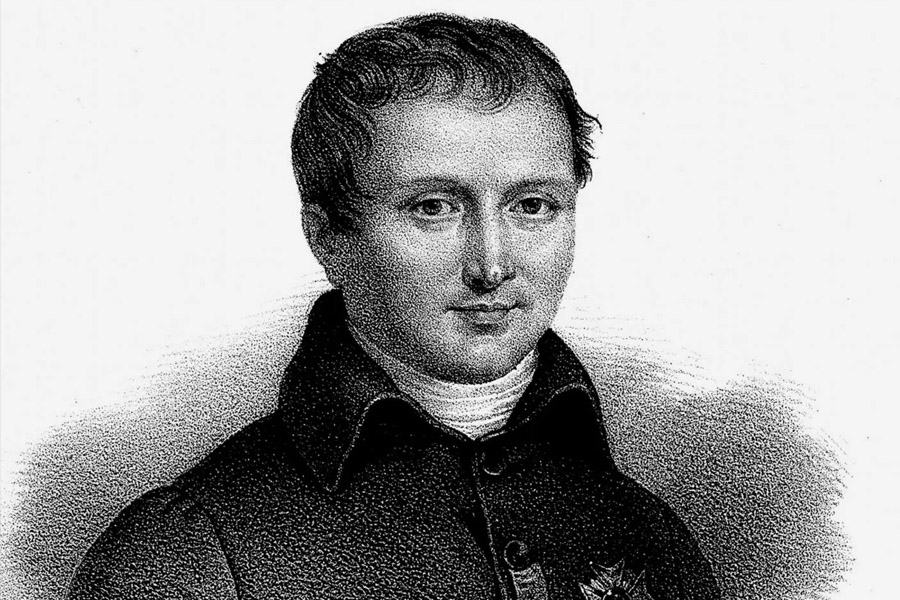
I picture Giuseppe Maria Buonaparte as a massive door hinge. He did not cause the European thunderclap, but without him the door would not have opened. Born in Ajaccio on 31 May 1713 and dying there on 13 December 1763, he was a Corsican, family man, and public servant. Though most known as the father of Carlo Buonaparte and grandfather of Napoleon I, his life has depth. Not a blank preface. The later fire was in the wooden frame.
His world was Ajaccio, a maritime city where noble title, civic prestige, and family relationships were currency. His time did not have Buonaparte emperors. They were a Corsican family with social ambition, old ties, and local political power. Giuseppe Maria belonged to an older order where marriage, council seats, and kinship webs provided influence rather than large national offices.
Family Roots and the Line He Carried
I find the family structure especially revealing, because Giuseppe Maria was less an isolated figure than the center pole of a wider tent. His father was Sebastiano Nicola Buonaparte, and his mother was Maria Anna Tusoli. Through them, he inherited the name and place that would later gain a kind of global echo. His siblings formed part of the same Corsican network, including Luciano Buonaparte, later an archdeacon, and Napoleone Buonaparte, who was killed in 1768. Even before the famous generation arrived, the family already had its own blend of clerics, local notables, and people pulled into the turbulent political life of the island.
Giuseppe Maria married twice. His first wife was Maria Saveria Paravicini, whom he married on 5 March 1741 in Ajaccio. That marriage is the one that matters most for the historical line that followed, because it produced the children who carried the Bonaparte name into the next era.
The children I can trace from that marriage are:
| Child | Notes |
|---|---|
| Maria Gertrude Buonaparte | Born 28 November 1741. Later married Nicola Luigi Paravisini, Chancellor of Ajaccio. |
| Sebastiano Buonaparte | Born 1743, died 24 November 1760. |
| Carlo Maria Buonaparte | Born 29 March 1746, later father of Napoleon I. |
| Marianna Buonaparte | Died young. |
I see this household as a small forge. Some lives burned briefly, some endured, and one son, Carlo, became the crucial bridge between the old Corsican family and the imperial future that lay ahead.
After Maria Saveria died, Giuseppe Maria married Maria Virginia Alata, a second union that appears to have been childless. Even that detail matters, because it shows how family continuity in this era often depended on the first marriage, on the first cluster of children, and on the hard reality of mortality.
Carlo Buonaparte and the Family Future
The name that rises most brightly from Giuseppe Maria’s children is Carlo Maria Buonaparte. Carlo was the son who would carry the family into the broader political world, later becoming a lawyer and local political figure, and then the father of Napoleon, Joseph, Lucien, Elisa, Louis, Pauline, Caroline, and Jérôme Bonaparte. When I trace Giuseppe Maria’s family line, I can see how one household in Ajaccio became a launching point for an entire imperial generation.
That is the fascination here. Giuseppe Maria did not found an empire, but he helped form the branch from which one grew. His descendants would stride across Europe, while his own life remained largely tied to Corsica. The contrast is almost cinematic. A modest room in Ajaccio, then a map of kingdoms.
Public Role and Career in Ajaccio
Giuseppe Maria Buonaparte’s public career was not large, but it was real. The clearest recorded office is his role in 1749, when he represented Ajaccio at the Council of Corte. That detail tells me something important. He belonged to the civic elite, someone whose name carried enough weight to stand for the city in a political assembly.
I do not find a long list of offices, a military record, or a great administrative climb. His life was more local than legendary. Yet local power mattered. In Corsica, representation, family prestige, and civic presence were all threads in the same rope. Giuseppe Maria held enough of them to be a person of consequence.
His finances remain less sharply documented than his lineage. I do not see a clear ledger of wealth, but the family’s standing suggests a comfortable, if not lavish, position within Ajaccio society. The Buonapartes were not poor folk scraping by in the alley shadows. They were part of a recognized group, and that distinction helped the next generation move further.
The Personal Shape of His Legacy
The layers of Giuseppe Maria’s legacy impress me. He was a Corsican notable born in 1713 and dying by 1763. Family architecture follows: parents, siblings, wives, kids. After that, his son Carlo fathers the Bonaparte dynasty’s most famous names.
Siblings fill in the picture. Archdeacon Luciano Buonaparte guards the family when Giuseppe Maria dies. That position is easy to miss but important. Guardianship could affect schooling, property, and future potential in a young family with changing finances. Napoleone Buonaparte, another brother, perished in battle with the French, reminding me that this family was politically endangered before Napoleon’s ascension. Buonapartes didn’t wait in calm water. They were already moving in choppy water.
Maternal lineage important. After Maria Anna Tusoli and Maria Saveria Paravicini joined the Buonapartes, they connected to other Corsican and Genoese lines. There was more to marriage. Infrastructure. It connected households like roof beams.
A Compact Timeline
Here is the shape of his life in dates, which often says more than ornament does.
| Date | Event |
|---|---|
| 31 May 1713 | Born in Ajaccio |
| 5 March 1741 | Married Maria Saveria Paravicini |
| 28 November 1741 | Daughter Maria Gertrude born |
| 1743 | Son Sebastiano born |
| 29 March 1746 | Son Carlo Maria born |
| 1749 | Represented Ajaccio at the Council of Corte |
| After 1750 | Married Maria Virginia Alata |
| 13 December 1763 | Died in Ajaccio |
I like this timeline because it feels compact and human. No empires yet. No crowned heads. Just a Corsican life moving through marriage, children, civic duty, and death.
FAQ
Who was Giuseppe Maria Buonaparte?
He was an Ajaccio born Corsican politician, born in 1713 and died in 1763, best known as the father of Carlo Buonaparte and the grandfather of Napoleon I.
Who were his parents?
His parents were Sebastiano Nicola Buonaparte and Maria Anna Tusoli.
Who was his first wife?
His first wife was Maria Saveria Paravicini, whom he married on 5 March 1741 in Ajaccio.
How many children did he have?
The best documented children from his first marriage are four: Maria Gertrude, Sebastiano, Carlo Maria, and Marianna.
What is his most important historical role?
His most important historical role is genealogical and civic. He helped carry the Buonaparte line forward through Carlo, and he also served as Ajaccio’s representative at the Council of Corte in 1749.
Why is he still remembered?
He is remembered because history often travels through families before it reaches armies and thrones. Giuseppe Maria was one of the quiet builders of the Bonaparte line, the kind of man whose life looks small until the future turns around and makes it enormous.