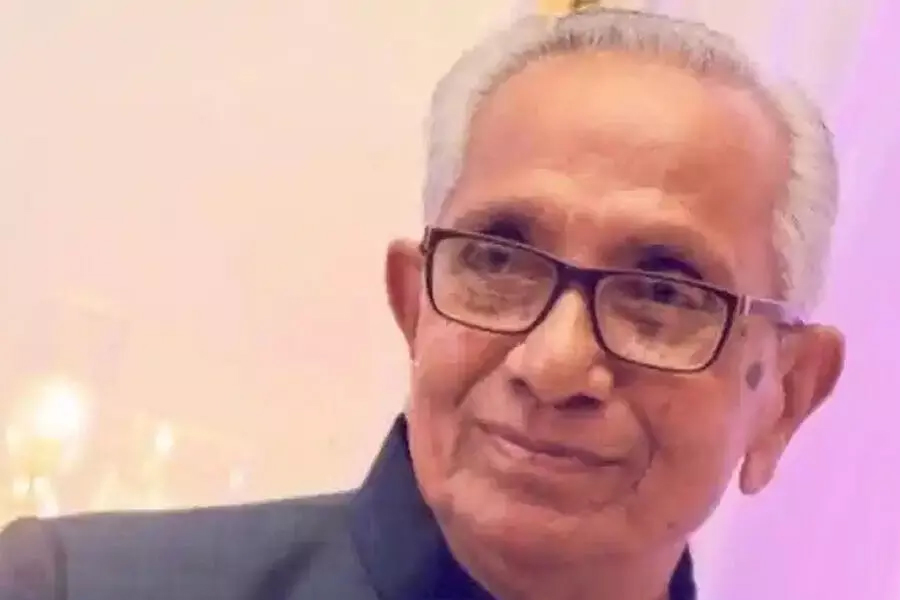
My Origins in the Heart of History
I entered the world on 15 June 1928 inside the ancient walls of Domakonda Fort in Telangana. The 60 acre stronghold with its protected compound walls and early Kakatiya era temples cradled my first breaths. As the 20th generation descendant of the Domakonda Samasthan dynasty I carried four centuries of legacy from the moment I arrived. The fort served as far more than a birthplace. It became the silent witness to every chapter of my journey. I grew up amid echoes of royal rule and the winds of change sweeping across India. Those formative years taught me to balance ancestral pride with humble service. By the time I left this earth on 27 May 2020 at the age of 92 I stood as the last person born within those fort walls. My life bridged the final days of princely states the turbulence of national integration and decades of quiet public duty. I walked that path with steady purpose.
The Family That Anchored My World
My life revolved around family. My wife Pushpa Umapathy Kamineni supported me during every posting and quiet nights at home. She supported my job changes and shared childrearing. Later, she became a revered grandma whose warmth affected future generations.
Our only son Anil Kamineni took the family name and a passion for meaningful work. His business career was fueled by animal conservation and sports administration. Anil started and led multiple enterprises but valued issues over profit. He married Shobana Kamineni, Apollo Hospitals founder Prathap C. Reddy’s daughter. They formed a traditional but modern household.
My grandchildren grew those roots beautifully. My oldest granddaughter, Upasana Kamineni Konidela, became an entrepreneur and executive. She sits on Apollo and family health insurance boards. Her artistic initiatives include interviews that preserved my memories for future ears. Her marriage to actor Ram Charan highlighted our background, but she maintained the ideals I passed on.
Anushpala Kamineni, my second granddaughter, became Apollo Brands’ VP. She handles Apollo Pharmacy operations and promotes wellness. Our eco-friendly wedding of Anushpala and racing driver Armaan Ebrahim mirrored our sustainability values. Her work combines business acumen with social concern.
Puansh Kamineni, my grandson, is less visible yet contributes to family projects. He supports our generational private traditions. My grandchildren connect my generation to the present. Each embodies my values of integrity, charity, and quiet strength.
My Career Serving the Nation
I joined the Indian Administrative Service in the early years after independence. The nation was young and full of possibility. I rose through postings that demanded both skill and empathy. As Collector in several districts I tackled local governance challenges with a steady hand. Later I served as Secretary of Education shaping policies that touched institutions across the state. I even held Vice Chancellor responsibilities at Osmania University guiding academic direction during pivotal times.
One of the highest points came when I became the first Executive Officer of Tirumala Tirupati Devasthanam. I oversaw one of India’s most revered religious sites with both efficiency and deep reverence. Administrative work never felt like mere duty to me. It felt like building the foundations on which ordinary citizens could stand taller. I navigated power with humility always placing service above self. Colleagues remembered that approach long after I retired.
Contributions to Heritage Poetry and Stewardship
Beyond bureaucracy I poured heart into preserving what mattered. In 2003 I initiated the restoration of the Mahadevuni Shiva temple inside Domakonda Fort working hand in hand with the Archaeological Survey of India. I also led efforts to renovate the ancestral fort itself ensuring its structures would endure for those who came after. These projects were not about glory. They were about handing the past forward intact.
I found another outlet in Urdu poetry. My Shayari captured themes of kindness and resilience offering balance to the rigors of official life. Verses flowed from me like quiet streams through busy days reminding listeners that strength and softness could coexist.
On the financial side my resources stemmed mainly from inherited royal patrimony tied to the Domakonda Samasthanam. I held limited roles in private companies including Managing Director of Kiddy Concepts Pvt Ltd and positions in Prime Time Recreations Private Limited. These remained family oriented ventures rather than pursuits of vast wealth. I focused on ethical stewardship of what I received never letting commerce overshadow governance or duty. Public records reflect that choice clearly. Family properties within the fort formed the backbone of generational assets. I directed them toward harmony rather than spectacle.
Echoes in the Public Eye
In May 2020, relatives political figures and admirers across Telangana wrote tributes to my death. Outlets featured my IAS years, poetry, and familial patriarchy. My granddaughter Upasana’s Instagram post captured personal memories. She described my life from birth in the fort until death. Anushpala Puansh Ram Charan and other grandkids and spouses signed a message encouraging smiles rather than tears. A lengthy life was honored. Chiranjeevi and Ram Charan attended Domakonda Samsthan funerals. YouTube and Instagram share photos and videos. Similar feelings were expressed on X about my royal roots and public accomplishments.
Since 2020, I’ve been mentioned mostly during family milestones and Domakonda fort legacy discussions. No new disputes arose. Historical reflections, not current news, preserve my memory. That seems right. Service should whisper, not scream.
My Life Unfolded: Key Moments in Time
I often reflect on the dates that marked my path. Here they stand in order.
| Year | Event | Significance |
|---|---|---|
| 1928 | Birth on 15 June inside Domakonda Fort | Marked the last birth within the historic walls and began my journey as 20th generation descendant |
| 1940s | Exposure to Razakar movement and Hyderabad integration struggles | Sharpened my sense of history and duty during turbulent times |
| 1947 | Witnessed dawn of independent India | Fueled lifelong commitment to nation building |
| Early 1950s | Joined Indian Administrative Service | Began formal service as Collector in multiple districts |
| 1960s 1970s | Advanced to Secretary of Education and Vice Chancellor roles at Osmania University | Shaped policy and academic direction across the state |
| 1980s | Appointed first Executive Officer of Tirumala Tirupati Devasthanam | Blended governance with spiritual stewardship at a national shrine |
| 2003 | Led restoration of Mahadevuni Shiva temple and fort renovations | Preserved ancestral structures for future generations |
| 2018 | Addressed internal family discussions on fort palace matters | Emphasized harmony and private resolution among heirs |
| 2020 | Passed away on 27 May at Apollo Hospital Hyderabad | Closed a 92 year chapter with last rites at Domakonda Samsthan |
These milestones trace nearly a century of transformation. Each one taught me something new about resilience and responsibility.
Frequently Asked Questions
What shaped my early worldview and sense of duty?
My early worldview took shape inside Domakonda Fort amid the final years of princely rule and the push toward independence. The Razakar movement and the integration of Hyderabad into India tested many around me. Those events instilled a deep appreciation for unity and progress. I learned to value heritage without clinging to outdated power. That balance guided every decision I made in later decades.
How did I balance public service with family life?
Public service demanded long hours and frequent moves yet family always came first in my heart. My wife Pushpa managed the home front with grace allowing me to focus on district duties and higher postings. We raised our son Anil together instilling the same principles of integrity and service. Even during intense periods at Tirumala Tirupati Devasthanam I made time for quiet evenings that strengthened our bonds. Family anchored me when official pressures mounted.
In what ways did poetry and heritage projects define my later years?
Poetry and heritage projects offered balance in my later years. My Urdu Shayari let me express thoughts on kindness and resilience that official reports could not capture. At the same time the 2003 temple restoration and fort renovations gave me purpose beyond retirement. I worked with experts to safeguard centuries old structures. These efforts felt like conversations with the past ensuring my grandchildren could touch the same stones that shaped me.
How do my grandchildren carry forward the values I held?
My grandchildren carry forward my values in their own distinct ways. Upasana applies them in boardrooms and creative projects. Anushpala weaves them into health initiatives and sustainable choices. Puansh upholds them through steady family contributions. Each one reflects the emphasis I placed on service generosity and quiet strength. Their achievements in business entertainment and conservation show that the principles I lived by have taken root across generations.
What message would I leave about legacy and remembrance?
Legacy to me meant living with purpose and leaving the world slightly better. I never sought grand monuments. Instead I hoped my service my poetry and my family would speak for themselves. The tributes after 27 May 2020 and the ongoing heritage discussions confirm that quiet impact can endure. A life measured in service and love outlasts any headline.